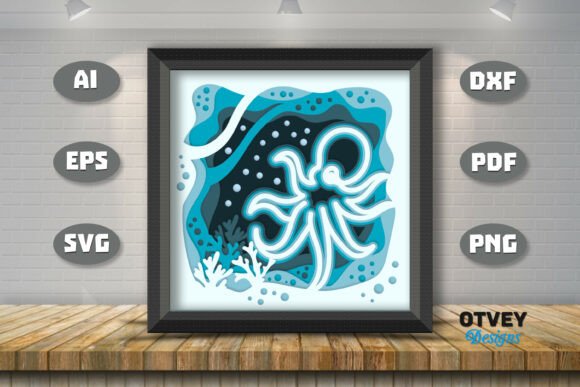
Octopus in a Seabed Atmosphere 3D Layered
Bringing Depth and Detail to Creative Design
The Octopus in a Seabed Atmosphere 3D Layered design concept offers a unique visual experience that merges organic marine life with layered depth and atmospheric textures. Whether you're crafting digital illustrations, print media, or web graphics, this layered 3D artwork provides a compelling foundation to build upon. Its intricate details and layered structure allow for a high degree of customization and integration across various creative projects.
What’s Included in the Download
Once downloaded, the ZIP file contains multiple file formats, making it versatile for different design workflows. You’ll receive the following:
- AI File – Ideal for Adobe Illustrator users who want full vector editing capabilities.
- PDF File – Suitable for both print and digital use, preserving layers and vector quality.
- EPS File – A legacy vector format compatible with many design applications.
- JPG File – High-resolution raster format perfect for web use and quick previews.
- PNG File – Transparent background support for overlaying on different designs.
- SVG File – Scalable vector format ideal for responsive web graphics and animations.
- DXF File – Useful for CAD software and laser cutting applications.
Each format ensures you can work with the design in the way that best suits your project’s needs.
Creative Possibilities with 3D Layered Artwork
This design concept opens the door to a wide range of creative applications. The layered nature of the Octopus in a Seabed Atmosphere 3D Layered allows for dynamic composition adjustments, making it ideal for:
- Illustration Projects: Use the layers to build rich, detailed scenes for book covers, posters, or editorial illustrations.
- Web and UI Design: Integrate the layered elements into parallax scrolling effects or animated backgrounds.
- Print Design: From packaging to posters, the depth and texture enhance physical media with a sense of realism.
- 3D Modeling and Animation: Import the layers into 3D software to create animated sequences or virtual environments.
You can also experiment with color variations, lighting effects, and compositional layering to suit different themes—whether it's a mystical undersea adventure or a sleek, modern design for branding.
Designers and Artists
For illustrators and digital artists, the layered structure allows for non-destructive editing. You can isolate specific parts of the octopus, the seabed, or ambient lighting to adjust independently. This is especially useful when creating variations for different color schemes or adapting the image for different mediums.
Consider using the design as a base for concept art, especially in sci-fi or fantasy genres. The organic shapes and layered depth provide a strong visual foundation that can be expanded upon with additional textures or characters.
Marketers and Branding Professionals
If you're in marketing or branding, this artwork can serve as a distinctive visual asset for campaigns related to marine life, environmental awareness, or ocean-themed products. You can incorporate the layered elements into social media graphics, email headers, or landing pages to create a cohesive and immersive brand experience.
For example, a travel agency promoting diving tours could use the Octopus in a Seabed Atmosphere 3D Layered as a background for promotional banners. By adjusting the color tones and overlaying text and call-to-action buttons, you create a visually engaging and contextually relevant piece.
Educators and Content Creators
Educators and creators can use this design to enhance science-based presentations or digital content. Whether explaining marine biology, underwater ecosystems, or ocean conservation, the layered artwork adds visual interest and helps illustrate complex concepts in a more engaging way.
For example, in a lesson about cephalopods, you can animate the layers to show how an octopus moves or interacts with its environment. Using SVG or PNG formats, you can import the design into presentation tools like PowerPoint or Google Slides and apply simple animations to bring the scene to life.
Adapting Across Platforms and Formats
One of the strengths of the Octopus in a Seabed Atmosphere 3D Layered is its adaptability. Here are some ways to use it across different platforms:
- Web Design: Use the SVG format for responsive graphics that scale without losing quality. Layered JPG or PNG versions can be used in CSS animations or scroll-triggered effects.
- Mobile Apps: Incorporate the design into UI elements, splash screens, or educational app visuals. The PNG format with transparency is especially useful for overlays and icons.
- Merchandise and Print: Print the design on t-shirts, mugs, or wall art. The PDF and AI formats ensure high print quality, while the layered structure allows for easy color adjustments.
- Augmented Reality (AR): Import the design into AR platforms to create immersive underwater experiences. The layered structure allows for depth mapping and interactive elements.
Each format in the ZIP file supports a different stage of the creative process, ensuring you can move seamlessly from concept to final output.
Staying Organized and Consistent
When working with layered artwork, organization is key. Here are a few tips to help you maintain clarity and consistency:
- Label Layers Clearly: Whether in Illustrator, Photoshop, or any design tool, clear layer names help streamline your workflow.
- Use Layer Groups: Group related elements (e.g., background, octopus body, tentacles) to make adjustments more efficient.
- Keep a Master File: Maintain a primary AI or PDF file where all layers are intact. Create derivative versions for specific uses to avoid accidental overwrites.
- Document Your Process: If working with a team or returning to a project later, a quick note on how layers interact can save time and reduce confusion.
These practices help ensure your final design remains cohesive and professional, whether it’s for a personal project or a client deliverable.
Final Thoughts
The Octopus in a Seabed Atmosphere 3D Layered design is more than just a visual asset—it's a versatile tool for creators across disciplines. Whether you're a designer, marketer, educator, or hobbyist, the layered format gives you the freedom to explore, adapt, and innovate. By understanding how to work with each file type and applying thoughtful design principles, you can bring depth, realism, and creativity to your projects in a way that resonates with your audience.