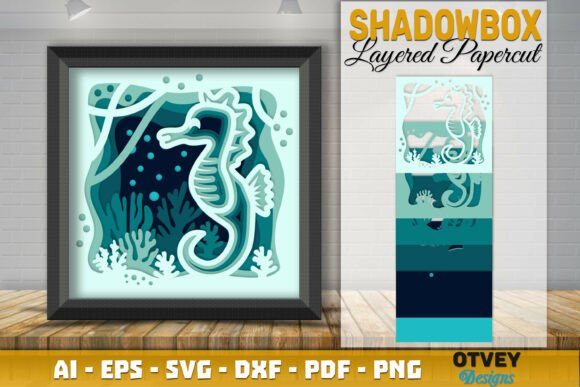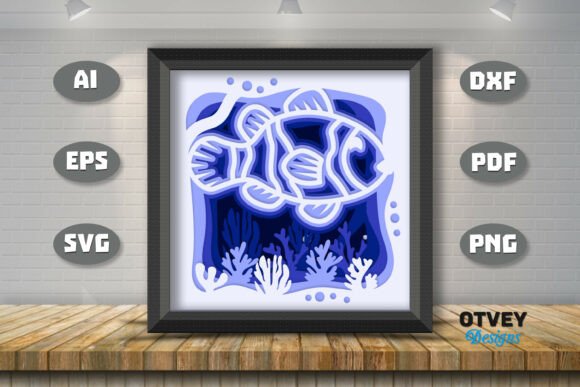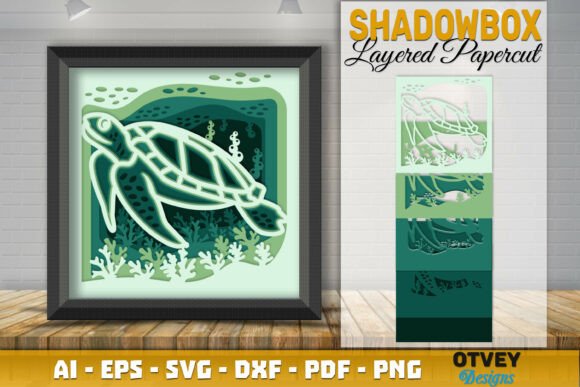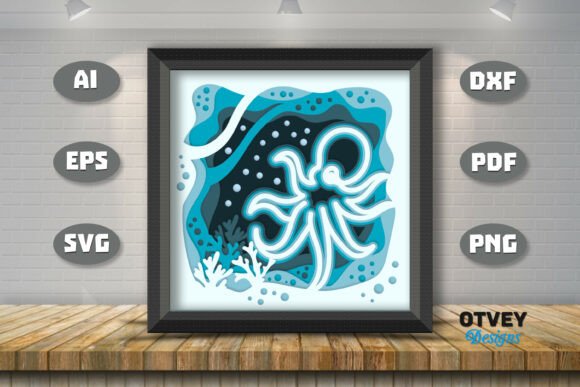
Exploring the Star Fish in a Seabed Atmosphere 3D Layered Design
When it comes to creating visually engaging and versatile graphics, the Star Fish in a Seabed Atmosphere 3D Layered design stands out as a powerful resource. This detailed and immersive illustration captures the beauty of marine life while offering flexibility across various design applications. Whether you're a graphic designer, web developer, or digital artist, this layered 3D asset provides a wealth of creative possibilities.
The downloadable ZIP file includes multiple file formats—AI, PDF, EPS, JPG, PNG, SVG, and DXF—ensuring compatibility with a wide range of design software. This diversity in formats makes the asset accessible to both beginners and professionals, regardless of their preferred editing tools.
Understanding the Design Elements
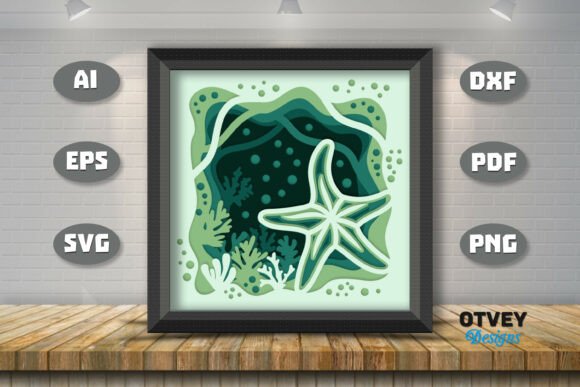
The Star Fish in a Seabed Atmosphere 3D Layered design is more than just an image—it's a carefully crafted composition that mimics the natural environment of a seafloor. The starfish is rendered with realistic textures, subtle shading, and layered depth, giving it a lifelike appearance. Surrounding it are soft sand textures, tiny pebbles, and ambient lighting that simulate underwater lighting conditions.
- Layered Structure: Each component of the design is separated into layers, allowing for easy customization.
- Realistic Textures: The surface of the starfish and seabed elements are textured to enhance realism.
- 3D Depth: The layered depth effect gives the design a dimensional quality, making it suitable for print and digital use.
This attention to detail makes the design ideal for projects requiring a natural, oceanic theme. Whether used in educational materials, website banners, or product packaging, the visual appeal of this asset enhances the overall aesthetic of the project.
File Formats and Their Practical Uses
One of the most valuable aspects of the Star Fish in a Seabed Atmosphere 3D Layered design is the variety of file formats included. Each format serves a specific purpose and offers different advantages depending on the intended use.
- AI (Adobe Illustrator): Best for vector-based editing, allowing for scalable graphics without loss of quality.
- PDF: Versatile for both print and digital use, supports layers and vector data.
- EPS: Ideal for high-resolution printing and compatible with most graphic design software.
- JPG: Suitable for web use where file size and loading speed are important.
- PNG: Offers transparency and high quality, great for digital overlays and icons.
- SVG: Perfect for responsive web design due to its scalability without quality loss.
- DXF: Commonly used in CAD applications and laser cutting projects.
Having access to all these formats ensures that the design can be adapted to a wide range of creative and technical workflows. Designers can easily import the asset into tools like Photoshop, Illustrator, CorelDRAW, Inkscape, or even CAD software for further customization.
Applications Across Industries
The Star Fish in a Seabed Atmosphere 3D Layered design isn’t limited to a single industry or application. Its versatility makes it a valuable asset in several fields:
- Educational Content: Biology textbooks, marine life presentations, and interactive learning modules can benefit from its detailed visuals.
- Web Design: Use the design as a background element, animated graphic, or decorative component for ocean-themed websites.
- Product Packaging: Ideal for eco-friendly brands or marine-related products that want to incorporate natural imagery.
- Print Media: From posters to greeting cards, the design adds a touch of nature-inspired elegance.
- Craft and DIY Projects: With DXF files available, the design can be used for laser cutting or vinyl cutting projects.
Its adaptability allows users to integrate the design into both digital and physical projects seamlessly. Whether you're designing a website for a marine conservation group or creating custom T-shirts with oceanic motifs, this design offers a strong foundation for creativity.
Why Choose the 3D Layered Format?
Opting for a 3D layered format provides several distinct advantages over flat or 2D designs. The layered approach allows for greater control over individual elements, enabling designers to modify lighting, textures, and spatial positioning independently.
For instance, if you're designing a website banner and want to animate the starfish subtly, having separate layers for the arms, body, and background makes animation easier. Similarly, in print design, adjusting the depth and contrast of each layer can create a more dynamic and visually engaging result.
Moreover, the 3D aspect adds a level of realism that enhances the overall impact of the design. Whether you're aiming for a subtle background texture or a bold focal point, the depth and layering ensure that the design stands out.
Customization Tips and Best Practices
While the Star Fish in a Seabed Atmosphere 3D Layered design is impressive out of the box, customization can help tailor it to your specific needs. Here are some practical tips for getting the most out of the asset:
- Adjust Color Grading: Modify the color tones to match your brand palette or project theme.
- Isolate Elements: Use individual layers to create icons, badges, or standalone graphics.
- Add Effects: Apply glows, shadows, or motion blur to enhance the 3D feel in digital projects.
- Resize Smartly: For vector formats like AI, EPS, and SVG, scaling won’t compromise quality, making them ideal for both small and large prints.
- Use Transparency: PNG files allow for transparent backgrounds, making the design adaptable to layered compositions.
Experimenting with different layers and effects can lead to unique design outcomes. Whether you're creating a mobile app splash screen or a poster for a marine-themed event, the possibilities for customization are vast.
Choosing the Right Format for Your Project
Knowing which file format to use can significantly impact the quality and usability of your final design. Here's a quick guide to help you decide:
- Need high-quality print? Go with EPS or PDF for crisp, scalable results.
- Designing for the web? JPG or PNG offer good compression and clarity.
- Creating animations or web graphics? SVG or PNG are ideal for responsiveness.
- Working with CAD or laser cutting? DXF is the best choice for precision.
Each format plays a role in ensuring your project maintains both visual appeal and technical integrity. Selecting the right one early in your design process can save time and prevent unnecessary conversions later.
Final Thoughts on the Star Fish in a Seabed Atmosphere 3D Layered Design
The Star Fish in a Seabed Atmosphere 3D Layered design is more than just a visual asset—it's a versatile tool that empowers creativity across multiple platforms. Whether you're a professional designer or a hobbyist, the combination of layered detail, realistic textures, and multi-format support makes it a valuable addition to your design toolkit.
Its adaptability ensures that it can be used in a wide range of projects, from digital illustrations to physical crafts. With the right approach to customization and format selection, this design can elevate your work and bring a touch of oceanic beauty to any creative endeavor.