Exploring the Value of Collecting Various Isometric 3D Objects
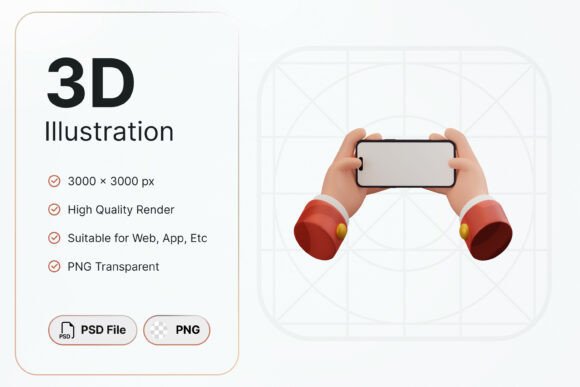
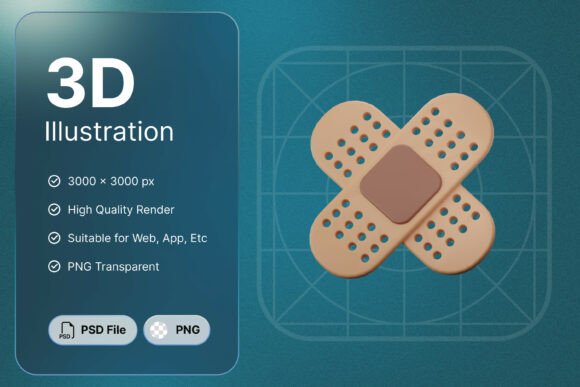
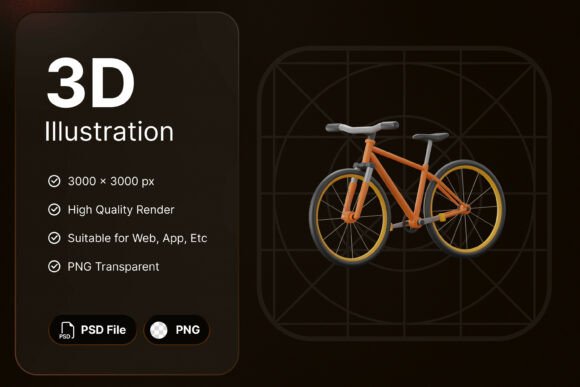
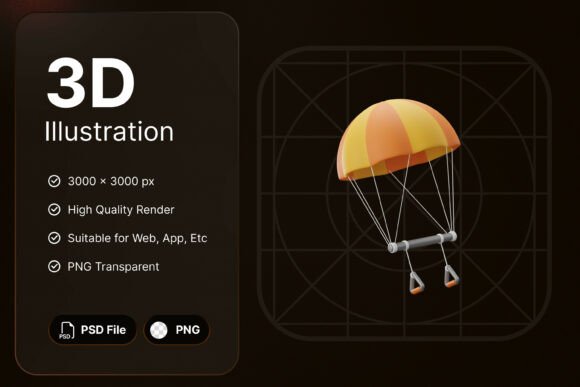
Collecting various isometric 3D objects has become a popular practice among graphic designers, UI/UX professionals, and digital artists. These stylized, three-dimensional representations of everyday objects and symbols offer a unique visual appeal that enhances modern web and app interfaces. Isometric design, characterized by its 30-degree angle perspective and absence of true depth distortion, strikes a balance between realism and abstraction, making it both versatile and visually engaging.
Why Collecting Various Isometric 3D Objects Matters
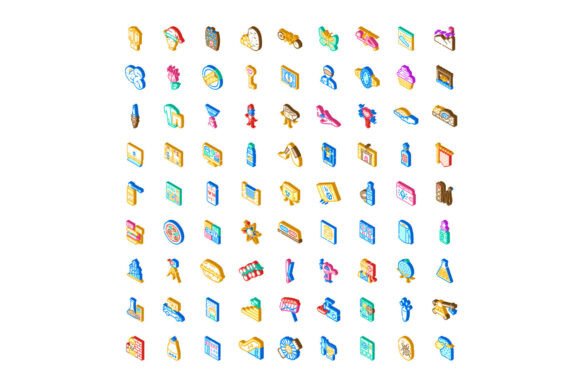
Designers often collect isometric 3D objects to build a versatile library of assets that can be reused across multiple projects. These collections typically include a wide range of items—from office supplies and electronics to nature elements and abstract shapes—each rendered in vibrant colors and consistent styles. This diversity allows for greater flexibility when designing dashboards, landing pages, mobile apps, or marketing materials.
One of the key motivations for collecting these assets is efficiency. Ready-made isometric elements can significantly reduce design time, especially when working under tight deadlines. Instead of creating every icon or illustration from scratch, designers can pull from a curated set that aligns with their project's visual language.
Benefits of Using Isometric 3D Objects in Design
- Visual Consistency: When working with a unified set of isometric icons, designers can maintain a cohesive look across platforms and pages.
- Scalability: These objects are typically vector-based, making them easy to resize without losing quality.
- Engagement: The 3D effect adds depth and dimension, which can make interfaces more engaging and intuitive for users.
- Adaptability: Isometric designs work well in both light and dark themes and can be easily recolored to match brand palettes.
Considerations When Collecting Isometric 3D Objects
While the benefits are clear, there are several factors to consider before investing time or resources into collecting isometric 3D objects. First, it's important to evaluate the quality and consistency of the assets. Not all collections are created equal—some may lack detail, have inconsistent lighting, or fail to support a wide range of use cases.
Another consideration is licensing. Designers must ensure that the icons and illustrations they collect are appropriately licensed for both personal and commercial use. Royalty-free and subscription-based design libraries can offer peace of mind in this area, but it's always wise to double-check usage rights.
When Collecting Various Isometric 3D Objects Makes Sense
This approach is particularly effective for projects that require a modern, illustrative design language. For example, startups building a new SaaS platform may benefit from using isometric icons to convey features and workflows in a visually appealing way. Similarly, e-commerce sites looking to enhance product pages with stylized visuals can find isometric assets to be a valuable resource.
Design systems that emphasize modularity and reusability also benefit from maintaining a well-organized collection of isometric objects. Teams working collaboratively can streamline their workflow by referencing a shared library of design elements that align with brand guidelines.
When Alternatives May Be Worth Exploring
Despite their popularity, isometric 3D objects aren't always the best choice for every design challenge. In cases where minimalism or flat design is preferred, simpler icon styles may be more appropriate. Flat icons, for instance, offer a cleaner aesthetic and may load faster on websites, particularly when optimized for performance.
For highly technical or data-driven interfaces, such as dashboards or enterprise software, isometric designs may introduce unnecessary visual complexity. In such cases, line icons or glyph-based systems might offer better clarity and scalability.
How to Evaluate and Select the Right Collection
When selecting a collection of isometric 3D objects, consider the following criteria:
- Style Consistency: Ensure all items in the collection share the same visual style, including lighting, color saturation, and line thickness.
- Customization Options: Look for assets that can be easily edited in design tools like Adobe Illustrator, Figma, or Sketch.
- File Formats: SVG, PNG, and 3D model formats like GLB or USDZ may be important depending on your use case.
- Update Frequency: Some design libraries receive regular updates with new icons and variations, which can add long-term value.
Integrating Isometric 3D Objects Into Your Workflow
Successfully integrating isometric objects into your design workflow requires more than just downloading a pack of icons. It involves organizing assets in a way that makes them accessible and reusable. Designers often use tools like Figma libraries or Adobe Creative Cloud Libraries to categorize and tag their collections for quick retrieval.
Collaboration teams should also establish naming conventions and version control to avoid confusion when multiple designers are working from the same asset pool. Investing time in setting up a well-structured system upfront can save countless hours later in the design process.
Final Thoughts on Collecting Various Isometric 3D Objects
For many designers, collecting various isometric 3D objects is more than just a trend—it's a practical strategy for enhancing visual communication and streamlining design workflows. However, like any design decision, it should be approached thoughtfully. By evaluating your project needs, understanding the strengths and limitations of isometric design, and selecting high-quality assets, you can make informed choices that align with your creative and functional goals.
Ultimately, whether or not to incorporate isometric 3D objects into your design toolkit depends on your specific context. If your work demands a balance of visual richness and usability, these assets can be a powerful addition to your design arsenal. If not, exploring alternative icon styles may yield better results. Either way, understanding the landscape of available design elements empowers you to make decisions that enhance both your process and your final product.